One electric night on Italy’s heel decided my race. Street musicians drifted over piazzas, and the roads teemed — from fast cars passing closely by to the chaotic traffic of coastal towns — as my headlamp beam carved through the chaos toward the ferry. I had one goal: catch the last ferry that night from Bari. What followed became not only a strategic gamble but a moment the global dot-watch community watched breathlessly — two tiny GPS dots racing each other across southern Italy, screenshots flying through message threads, the internet cycling community watching our drama unfold in real time.
For ten days, 23 hours and 48 minutes I rode nearly 5,000 kilometers and climbed 50,000 meters, from Santiago de Compostela to Constanța on the Black Sea. I arrived second overall — but the numbers don’t capture the geometry of choices, the way a single missed light or a gust of wind can redraw a race. The Bari ferry chase became the race’s defining moment: a full-throttle, nerve-raw dash through Sunday-night traffic where small margins carried huge consequences — and a community tracked every move.
The Transcontinental is not a stage race. The clock runs from the starter’s whistle until the finish line, uninterrupted. There are no team cars, no neutral support. You can use the same services available to everyone — gas stations, cafés, hotels — or bivvy under the stars. Between checkpoints the route is yours to choose. Riders’ paths meander like wild rivers across the continent. Preparation, therefore, is as much mapwork and logistics as it is training. Every decision matters: which roads to take, where to risk gravel, and when to push through the night without sleep.
My planning paid off in bold, sometimes brutal ways. The section into Bari turned into a tactical duel with the eventual winner Victor Bosoni: a concentrated display of speed, navigation and nerves that got both of us onto the final ferry within minutes of each other. For those following online, it became one of the most talked-about moments of the race: the tiny GPS dots read like a thriller — screenshots were shared, splits compared, and two dots on a map turned into a live drama.
Daily life in the race was distilled to essentials: ride, refuel, keep going. My routine was almost ritualistic: eat, douse myself with water or grab ice to keep my body cool, eat again, hide from the wind, listen to podcasts or voice messages from friends, book a place to sleep, eat again — and collect the precious brevet stamps before pressing on. In the first week I averaged roughly 500 km per day, a pace that underlined how relentless the opening stretch was. With energy needs in the range of 12,000–20,000 kcal per day, fueling is the race’s quiet hard work. The stomach has to endure a lot. Everything else happens on the bike: brush your teeth, apply sunscreen, treat wounds — every minute saved matters.
Memories of abundance punctuate the grind: a breakfast in France that remains a vivid memory — two coffees, two quiches, two croissants, two pains au chocolat and two slices of tarte au chocolat. Pure energy — on a sugar high it simply feels easier.
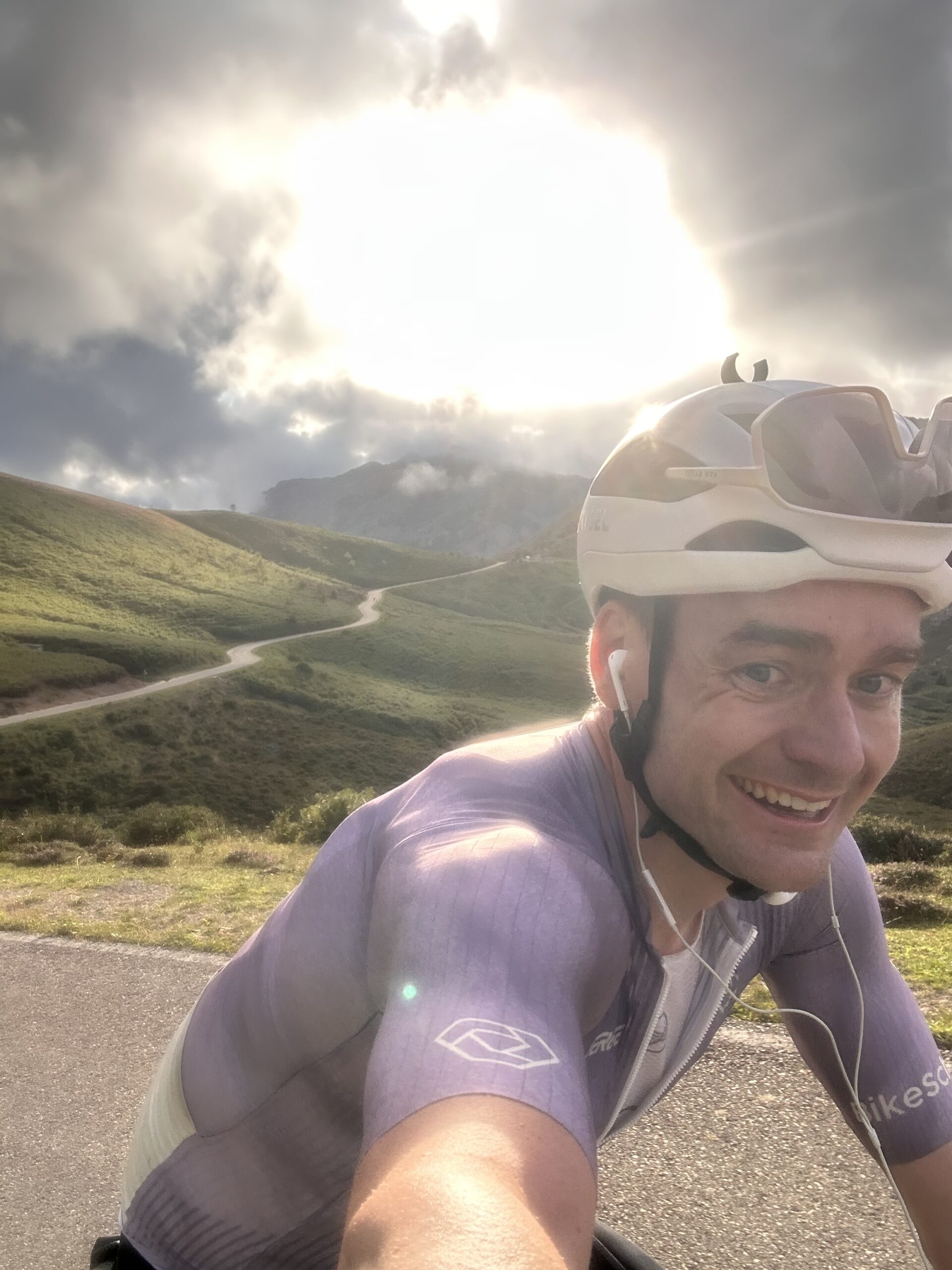
My podium wasn’t just about watts, calories and kilometers. It was about relentless planning, an audacious gamble for a ferry that became the race’s dramatic hinge, the ability to recover and refocus after a hard crash, and the quiet confidence in equipment that simply worked when it mattered most. For anyone who has ever stared at their own GPS dot late into the night, that mix of strategy and stubbornness will feel instantly familiar.
The ferry-chasing exertion left its mark. In the days after Bari I suffered a crash that cut through momentum and left me gritty and bruised. The accumulated physical cost of the push to the ferry also produced a modest tempo drop — nothing catastrophic, but enough that the remainder of the ride required careful management of effort and recovery. Every decision from that point on felt heavier: when to push, when to rest, and how to protect the fragile advantage I had fought so hard for.
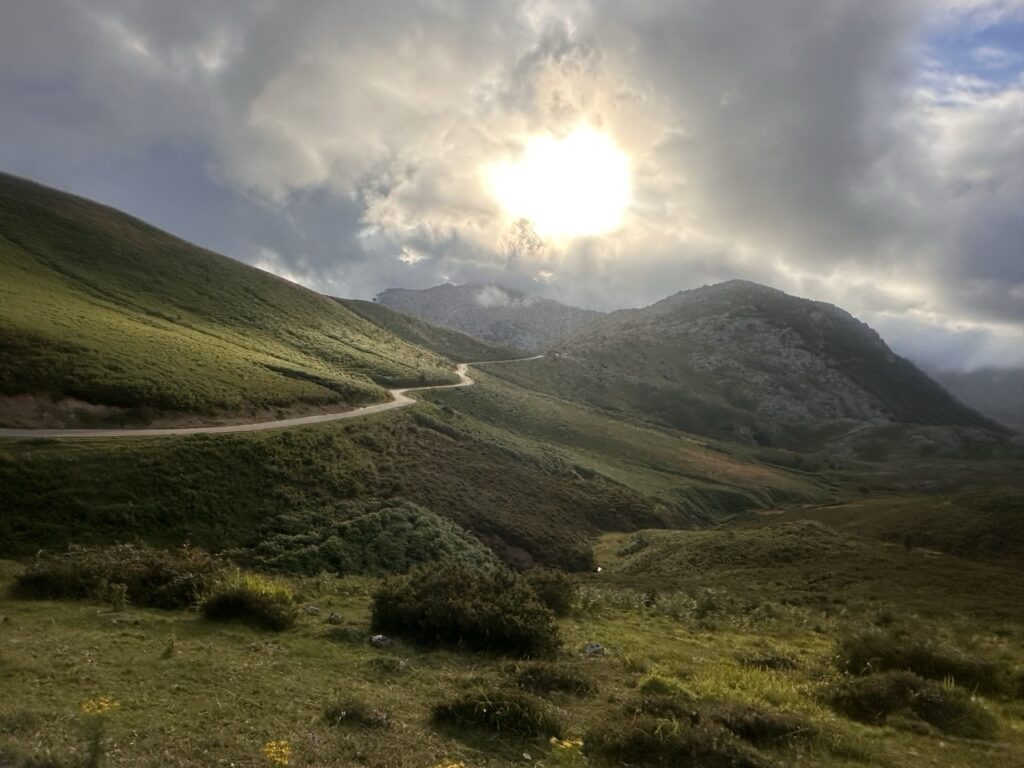
Pulling into Constanța at the Black Sea after nearly eleven days of non-stop racing felt unreal. This was the biggest race and adventure of my life so far. Standing on the podium filled me with pride, but even more with gratitude: for the freedom to ride like this, for the people who dot-watched and sent messages, for the friends who cheered me on from afar. That feeling is indescribable.
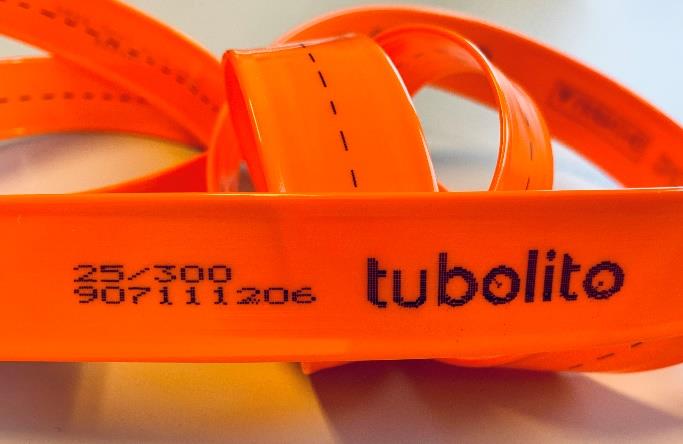
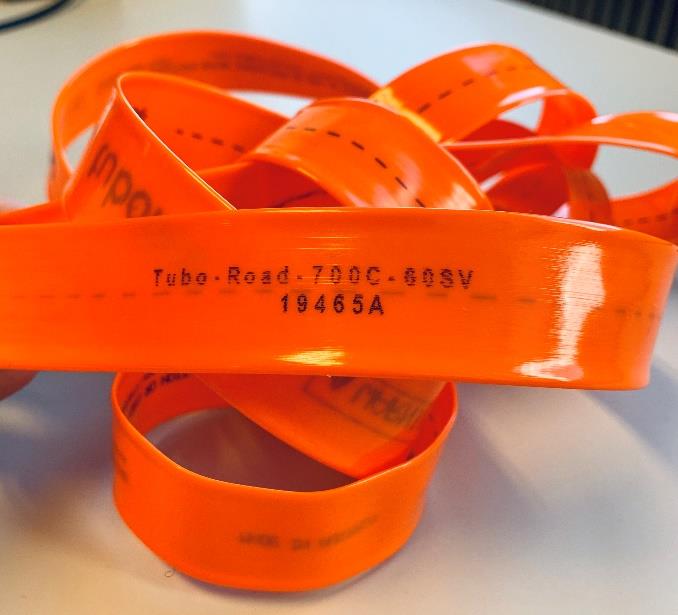
In ultra-cycling, small things decide big outcomes. Reliable, lightweight components that save energy and reduce worry are worth their weight in minutes. For me, that included the choice of inner tubes. Riding with Tubolito tubes gave me low weight and durability — which matters when every gram and every stop count. Over dry asphalt and gritty gravel, those tubes kept me rolling mile after mile — a small technical edge in an event decided by endurance and decisions.
If you’re planning your own ultra-distance adventure, choose gear that lets you keep your focus on the road ahead.
With Tubolito tubes, you can ride with confidence, no matter how far the horizon stretches.